

Caregiver Ebook Store
In-depth guides written for real family caregivers. Download instantly after purchase and get the knowledge you need, when you need it.

32
Ebooks Available
Instant
Download
Format
Free
Sample Chapters
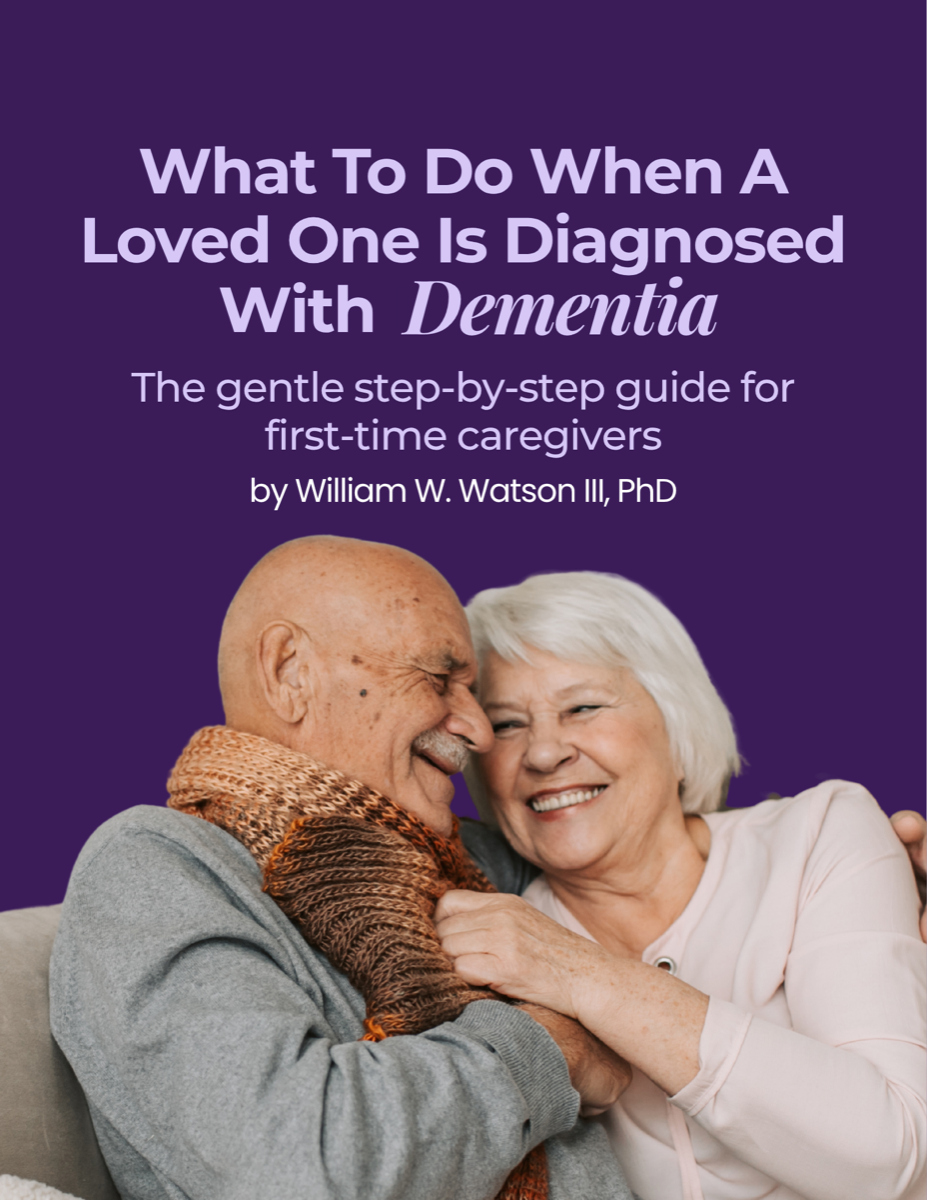
What To Do When A Loved One Is Diagnosed With Dementia
by William W. Watson III, PhD
The gentle step-by-step guide that takes you from overwhelmed and unsure to calm, prepared, and in control. Written by a caregiver who has been exactly where you are.
You'll see why I wrote this guide before you decide if it's right for you.
Featured Guide
I never anticipated that caregiving would become such an integral part of my life. It wasn't part of my plan. I had my career, my routine, a clear sense of self. Then one phone call, one diagnosis, and everything changed.
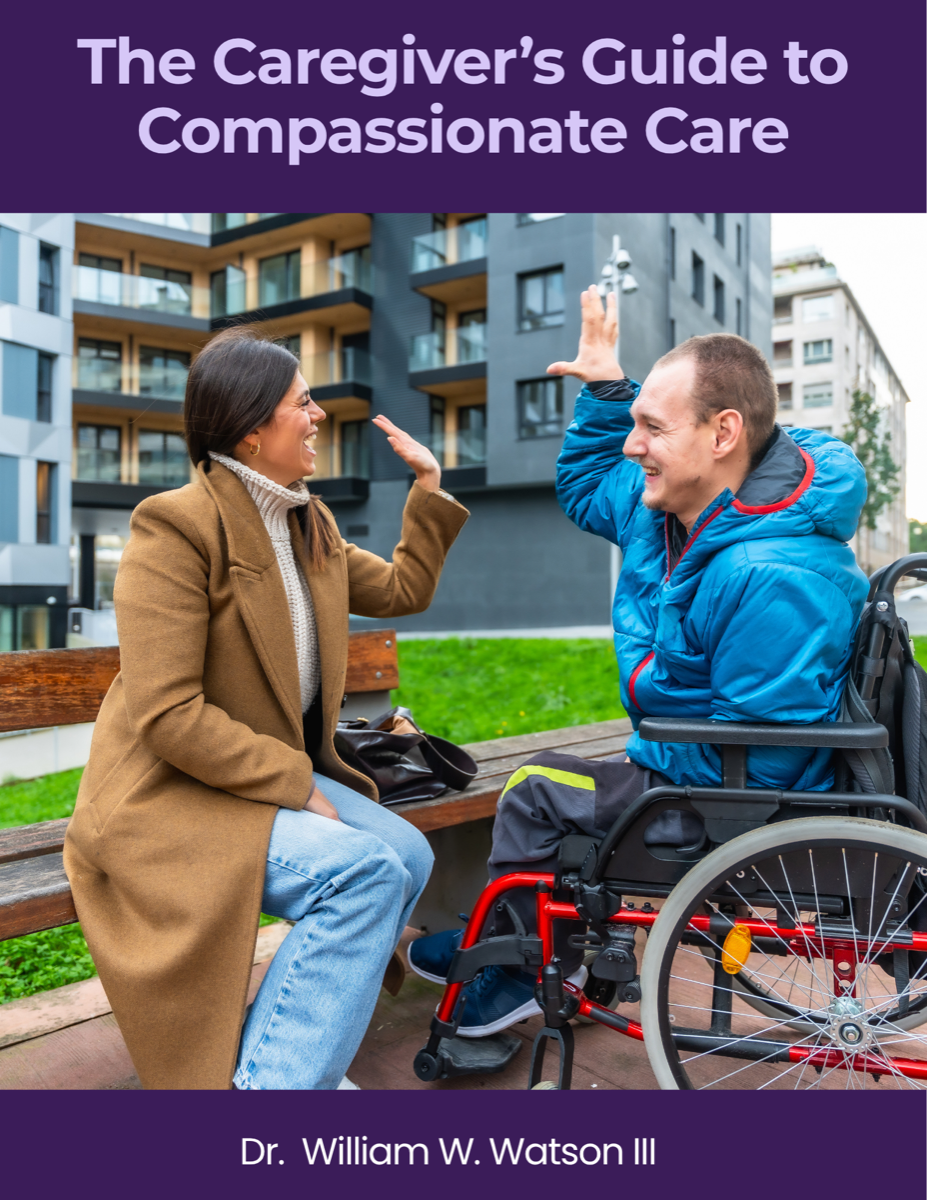
Caring for a loved one can be both rewarding and challenging. The Caregiver’s Guide to Compassionate Care is a practical and supportive resource designed to help caregivers navigate the emotional, physical, and daily responsibilities of providing care. This book offers helpful tips on managing stress, building effective care routines, understanding the needs of elderly or ill individuals, and maintaining a healthy balance between caregiving and personal well-being. Whether you are new to caregiving or have years of experience, this guide provides valuable insights to make the journey easier, more organized, and more meaningful.
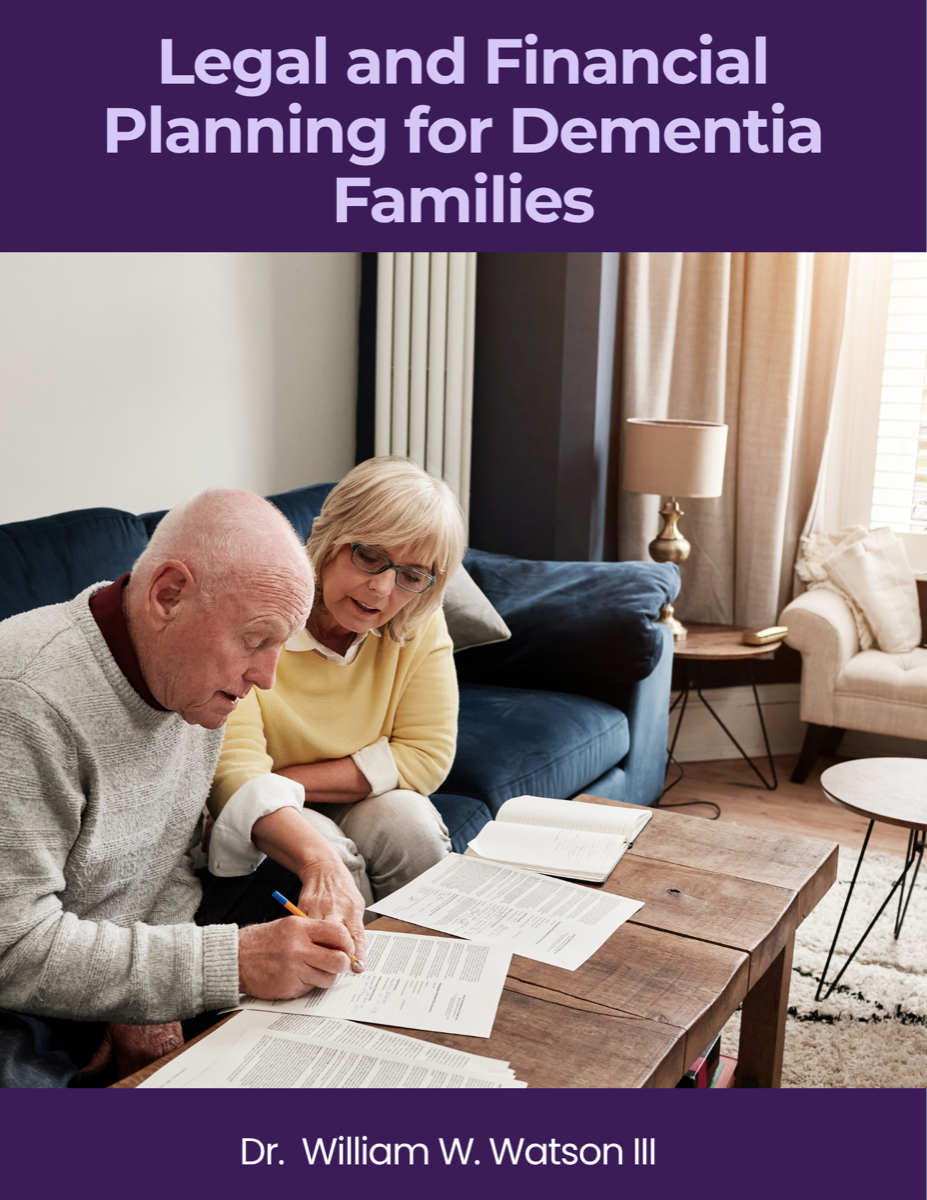
Power of attorney, Medicare vs. Medicaid, estate planning, benefits programs, and financial assistance — all explained in plain language for family caregivers.

A complete 45-page guide for caregivers managing the critical period after hospital discharge. Includes printable checklists, doctor question templates, and medication tracking sheets.

A dementia diagnosis changes everything. Not always all at once. Sometimes it’s quiet. A doctor’s appointment. A few unfamiliar words. A moment that doesn’t fully sink in… until later. And then it hits you.
Dementia is a progressive set of conditions characterized by declines in memory, thinking, and daily functioning. Understanding its stages helps individuals, families, and care teams recognize what to expect and when to act.

Emergencies with a parent who has dementia can escalate quickly, and the safest default is to act early. This page expands the original checklist so you can identify red flags and respond decisively. When in doubt, call emergency services. Your calm tone and quick actions can save time and reduce complications. Remember: you are not overreacting by seeking help—dementia can mask symptoms and make self-reporting unreliable.
One of the hardest parts of caring for someone with dementia… is not knowing what’s coming next. The uncertainty can make even ordinary days feel heavy, and small changes can quickly spiral into worry. This guide is designed to turn that uncertainty into clarity by outlining how dementia typically progresses and what you can do at each step. We’ll keep it simple, compassionate, and practical so you can feel grounded instead of overwhelmed, present instead of panicked.

How to Care for a Parent with Dementia Without Burning Out. A Simple System to Feel Calm, Supported, and in Control Again. This eBook is adapted from a live webinar and is designed to guide you through the same transformation: from feeling overwhelmed and alone to feeling calm, supported, and back in control.
From diagnosis to late-stage care — a comprehensive guide covering all types of dementia, stages of progression, behavioral management, legal planning, and caregiver self-care.
Caregiver burnout is a complex condition that often sneaks up on those who dedicate themselves to caring for others. Unlike dramatic episodes of exhaustion that are easy to recognize, burnout often shows up more subtly in a caregiver's day-to-day life.

Caregiving changes you. Not in loud, obvious ways, but in quiet, lasting ones. You get used to putting someone else first. You stop thinking about what you want. Your days revolve around responsibility, stress, and constant awareness.

Caregiver burnout is a complex condition that often sneaks up on those who dedicate themselves to caring for others. Unlike dramatic episodes of exhaustion that might be easily recognized, burnout manifests more subtly in the day-to-day life of a caregiver.
You Matter Too. You didn’t plan for this. You didn’t plan to become the one managing medications, appointments, moods, finances, and emotions—all while trying to hold your own life together. And somewhere along the way… you disappeared.

A guide that empowers recover faster, manage stress more effectively, and build healthier long-term habits. Whether they feel overwhelmed, exhausted, or mentally drained, this guide offers practical strategies to protect their well-being while maintaining steady progress.

This ebook helps you build healthier habits, reduce stress, and create a more balanced life without feeling guilty for putting themselves first. It offers simple and practical strategies for setting boundaries, managing energy, improving focus, and creating routines that support long-term mental and emotional well-being.
The prevailing advice to caregivers, "Take care of yourself” is offered so often that it has become background noise. But notice: it’s usually said as an afterthought.

Play is often seen as a simple pastime, yet for those caring for loved ones with dementia, it holds profound significance. Engaging in play can help stimulate cognitive functions, evoke joyful memories, and foster connections that might seem lost.

Dementia is an umbrella term used to describe a range of conditions that affect memory, thinking, and social abilities severe enough to interfere with daily life. The most common type of dementia is Alzheimer’s disease, but there are several other forms, including vascular dementia and Lewy body dementia.

The role of a daughter in caring for ageing parents is both profound and multifaceted. As daughters, we often find ourselves stepping into roles that blend love, responsibility, and sometimes, a fair amount of stress. The emotional connection that exists between a daughter and her parent can be a source of strength, but it can also lead to feelings of being overwhelmed.
Memory loss can be categorized into several types, each with distinct characteristics and implications for caregivers. The most common type is age-related memory loss, which typically involves minor forgetfulness and occasional difficulty recalling names or recent events.

Grief is a complex and deeply personal experience that can manifest in various forms. For caregivers, the nature of grief often intertwines with the responsibilities they have undertaken, making it both a shared and solitary journey

Terminal illness is a profound and challenging experience for both the patient and their caregivers. Understanding the nature of such illnesses is crucial for providing effective support during this difficult time. Patients may face a range of emotions, including fear, sadness, and uncertainty about what lies ahead. As caregivers, it is essential to acknowledge these feelings and create an environment where open communication is encouraged.
Nutrition plays a pivotal role in maintaining optimal health and wellbeing, particularly for those requiring caregiving assistance. For caregivers, understanding the significance of proper nutrition is essential in order to provide the best possible support. A well, balanced diet not only promotes physical health but also enhances mental and emotional wellbeing, which is crucial for individuals who may already be facing health challenges.
Caregiving is an emotional journey that often takes caregivers through a spectrum of feelings, from joy to sorrow, and everything in between. This emotional landscape is shaped by the deep connections formed with those they care for, making caregivers particularly sensitive to the needs and emotions of others.
Dementia is a broad term used to describe a range of symptoms associated with a decline in cognitive function, affecting memory, thinking, and social abilities severely enough to interfere with daily life. It is not a specific disease but rather an umbrella term that encompasses various conditions, including Alzheimer's disease, vascular dementia, and Lewy body dementia.
Caregiver guilt is a complex emotional experience that often arises when individuals feel they are not meeting the expectations placed upon them in their caregiving roles. This feeling can stem from a variety of sources, including societal pressures, personal beliefs, and the demands of the person receiving care. As caregivers navigate their responsibilities, they may and themselves questioning their decisions, leading to a pervasive sense of inadequacy and self-doubt.
Caregiving, while often a rewarding experience, can also take a significant emotional and physical toll on individuals.
If you picked up this book, you probably already know what the squeeze feels like. You are standing in the middle of your life with people pulling at you from both directions.
Dementia is an umbrella term that encompasses various cognitive impairments, each with unique characteristics and challenges. Alzheimer's disease is the most prevalent type of dementia, accounting for approximately 60-80% of cases. It is characterized by progressive memory loss, confusion, and changes in behavior. Understanding Alzheimer's is crucial for caregivers and family members, as it requires specific strategies for support and care.
Most people think caring for a parent with dementia means visiting more often. Maybe bringing groceries, doing a few chores, having lunch, then leaving. That was the picture in my head before all this started.
Visits to the doctor can be overwhelming for both caregivers and patients with dementia. One of the most common challenges is the patient's resistance to attending appointments. This can stem from anxiety or confusion about the process, especially if the individual does not fully understand the purpose of the visit. Caregivers often have to navigate these emotional responses while ensuring necessary medical care is not overlooked.